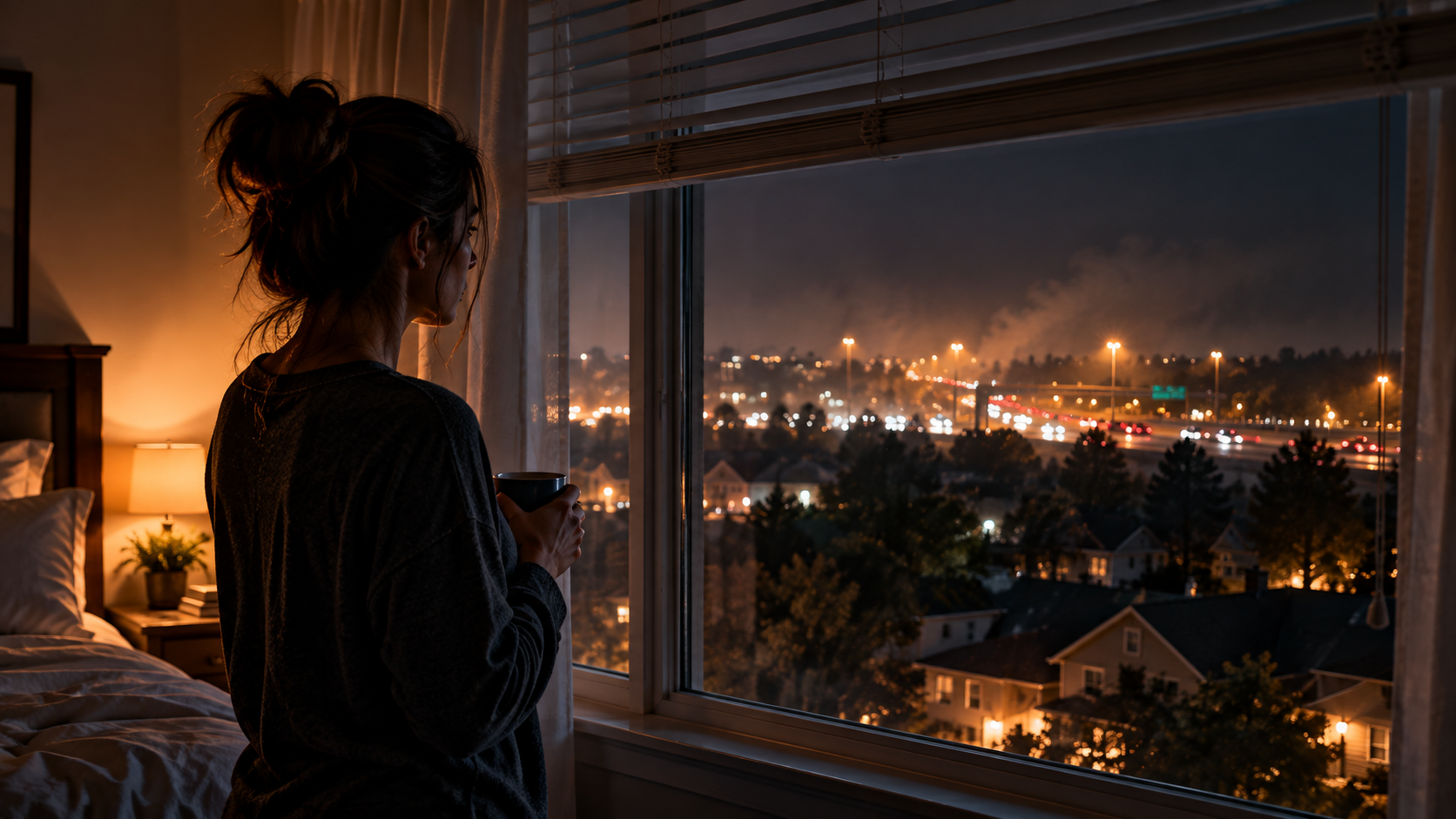
A systematic analysis in the Journal of Epidemiology & Community Health, pooling more than 40 studies, found that short-term exposure to PM2.5 and PM10, and long-term exposure to NO2 and PM2.5, were associated with elevated rates of suicide deaths, attempts, and ideation. Noise and light pollution were linked through circadian disruption. The proposed mechanisms for particulate are chronic inflammation and neurotoxicity.
The authors are careful, and I’m going to be careful too. They say the findings are correlational. They say the associations likely reflect vulnerable social environments: the neighborhoods with the worst air are also the neighborhoods with the most poverty, the least green space, the most noise, the least access to care. Pulling one thread out of that knot and calling it a cause is not something this kind of study can do. What it can do is argue that environmental exposures belong on the list of modifiable risk factors in prevention policy, which is a reasonable place to put them.
Why I’m writing it up anyway
Because the particulate health-effects literature has been moving in this direction for a few years, from lungs and heart into the brain, and it’s worth knowing the direction even when any single study is weak. Dementia, cognitive decline in kids, and now mental health outcomes: the pattern is consistent enough that “PM2.5 is a cardiopulmonary problem” is an incomplete sentence now.
For anyone making the case for indoor air filtration to a client who’s already discounted the heart-attack argument, this is one more line of evidence. Present it as an association, because that’s what it is.
A note
This article is about a study, but the topic is real for real people. If you or someone you know is struggling, the 988 Suicide and Crisis Lifeline is available by call or text in the U.S. That’s the one number in this piece that isn’t a statistic.
What we know
- Systematic analysis of 40+ studies (Journal of Epidemiology & Community Health, reported September 16, 2026) found short-term PM2.5/PM10 and long-term NO2/PM2.5 exposure associated with elevated suicide deaths, attempts, and ideation; noise and light pollution linked via circadian disruption.
- Authors describe findings as correlational and likely reflecting vulnerable social environments.
What we don’t know yet
- Effect sizes and heterogeneity across the pooled studies; read the paper.
- Any causal pathway.
Sources
Euronews Health, September 16, 2026: https://www.euronews.com/health/2026/09/16/air-pollution-exposure-linked-to-higher-risk-of-suicide-and-suicidal-thoughts-study-finds
Corrections: If we got something wrong, tell us at kelly.sacredintel@gmail.com. We fix errors publicly and note the change here.